
What Makes Chocolate 'Luxury'? It Starts with the Chocolate-Making Process
When it comes to shopping for chocolate, some people may wonder why luxury chocolate commands a higher price point than mass-produced ones found in supermarkets. Crafting true luxury chocolate is both an art and a science, and what makes chocolate considered “luxury” goes beyond its price and packaging. The essence of luxury chocolate lies in the meticulous production process that transforms it into a treat rich in flavour, texture, and aroma. This article delves into what sets our luxury chocolate apart, highlighting the chocolate-making process that sets the foundation of true luxury.
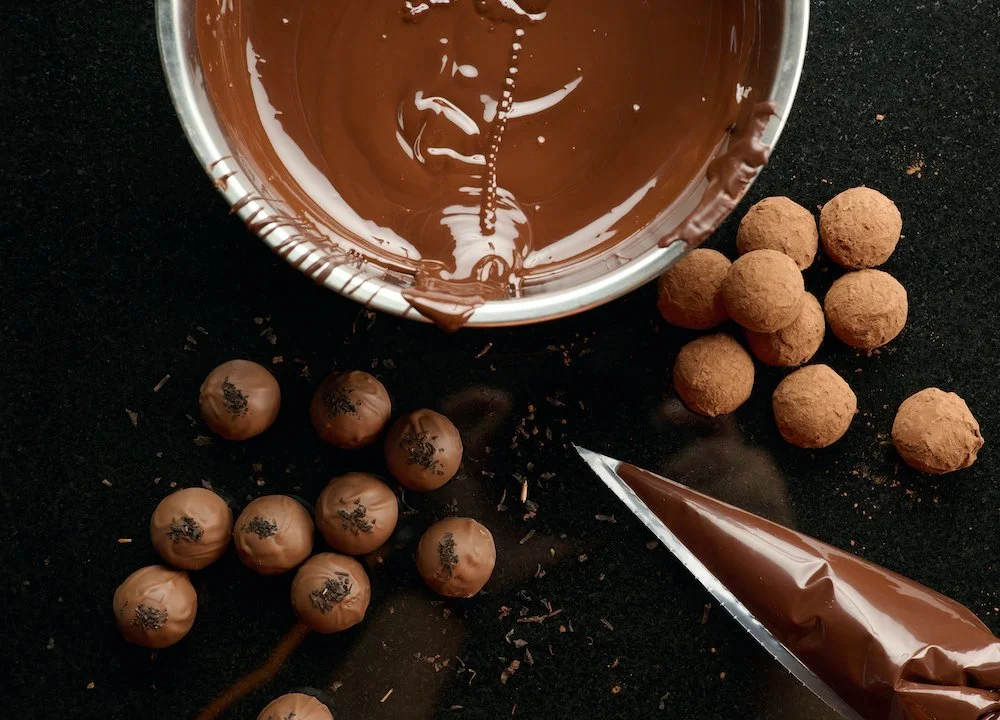
Step-by-Step Chocolate Making Process Behind Luxury Chocolate
1. Cultivation
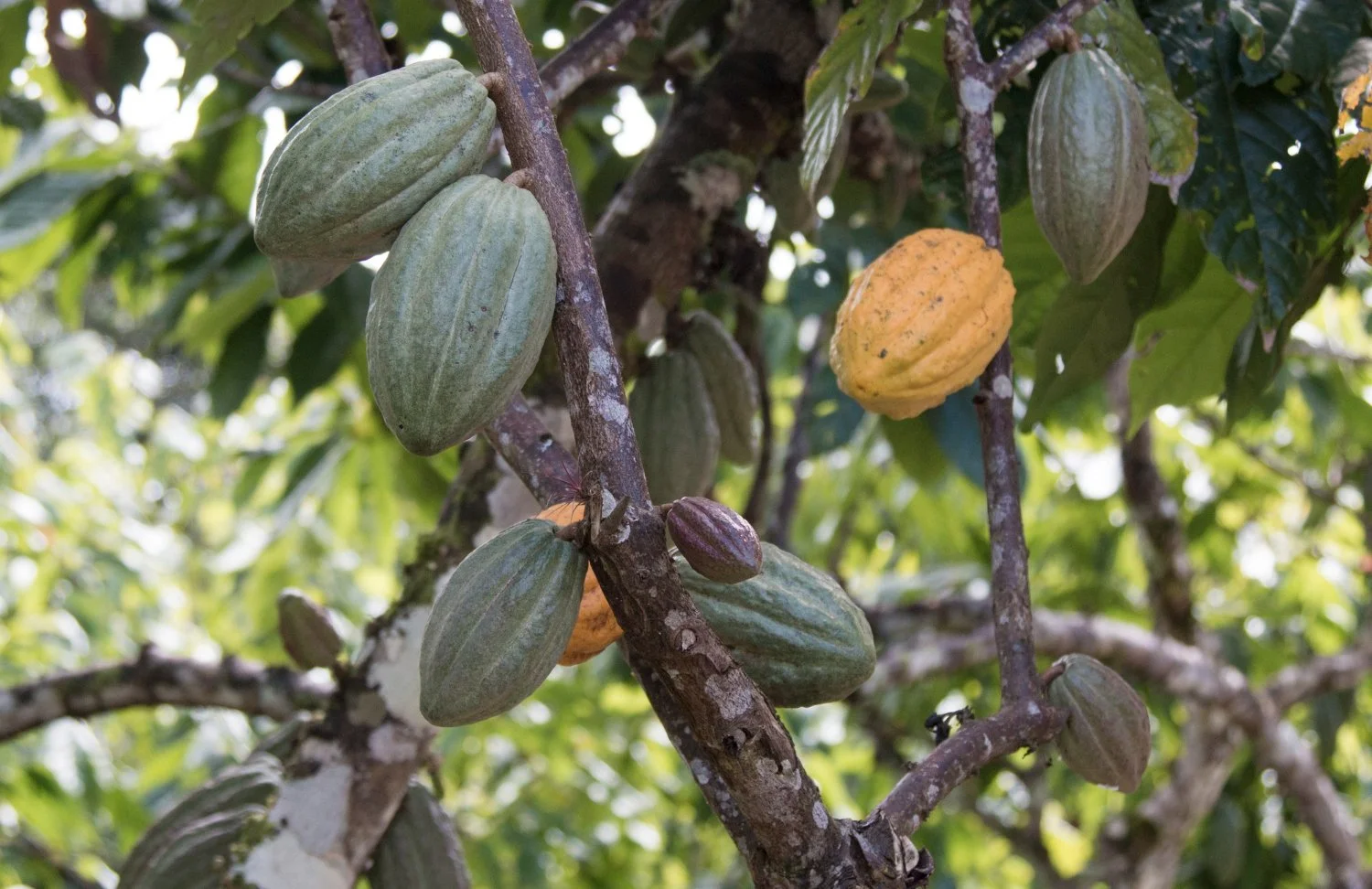
Every decadent chocolate bar that you enjoy begins as a bean from the cacao tree (Theobroma cacao), which can be found in various regions of the world. The cacao tree bears oval-shaped fruits or pods, which contain 30-50 seeds. While the tree itself is called “cacao”, the seeds or beans are known as “cocoa” beans. This process unfolds over time, as the tree needs approximately 3 to 5 years to mature and begin producing its first pods. It then takes another 5 to 7 months for a pollinated flower to grow a pod that is ready for harvest.
2. Harvesting
Once the cacao pods ripen, they turn a vibrant yellow or orange colour and can usually be harvested twice a year. To harvest them, the pods are removed from the trees by making a clean cut with a sharp blade. Pods higher up the tree need a pruning hook to be harvested, requiring extra care to cut them cleanly from the stalk without damaging the branch.
The pods are then opened using a wooden club, which splits them into two halves to extract the wet beans. This process is typically done 7 to 10 days after harvesting. Each bean is about the size of an olive, surrounded by a white pulp or pith. The beans are ready for the next stage: fermentation and drying.
3. Fermentation and Drying
The harvested cocoa beans are fermented for several days, which is a critical step that affects the chocolate’s flavour. While fermentation can be done in different ways, the most common method involves placing the beans in a covered container to allow microorganisms to initiate fermentation of the pulp surrounding the beans. The fermentation time depends on the type of bean. Forastero beans require about 5 days, and Criollo beans 2 to 3 days, during which chemical reactions allow the flavour and colour to develop.
After fermentation, the beans are carefully dried in the sun for 8 to 15 days, where they are continually raked and turned over to ensure that every side is evenly dried. The dried cocoa beans are then graded and packed for processing.
4. Roasting
The dried cocoa beans are then roasted carefully to bring out their full flavour potential. The flavour profile the manufacturer aims to achieve is a key factor in selecting the type and blend of cocoa beans to process. In some cases, whole beans are roasted for a more nuanced profile suited for finer luxury chocolate. On the other hand, roasting cocoa nibs or broken pieces may result in a more intense and consistent flavour, which is usually used for cocoa powder.
5. Grinding
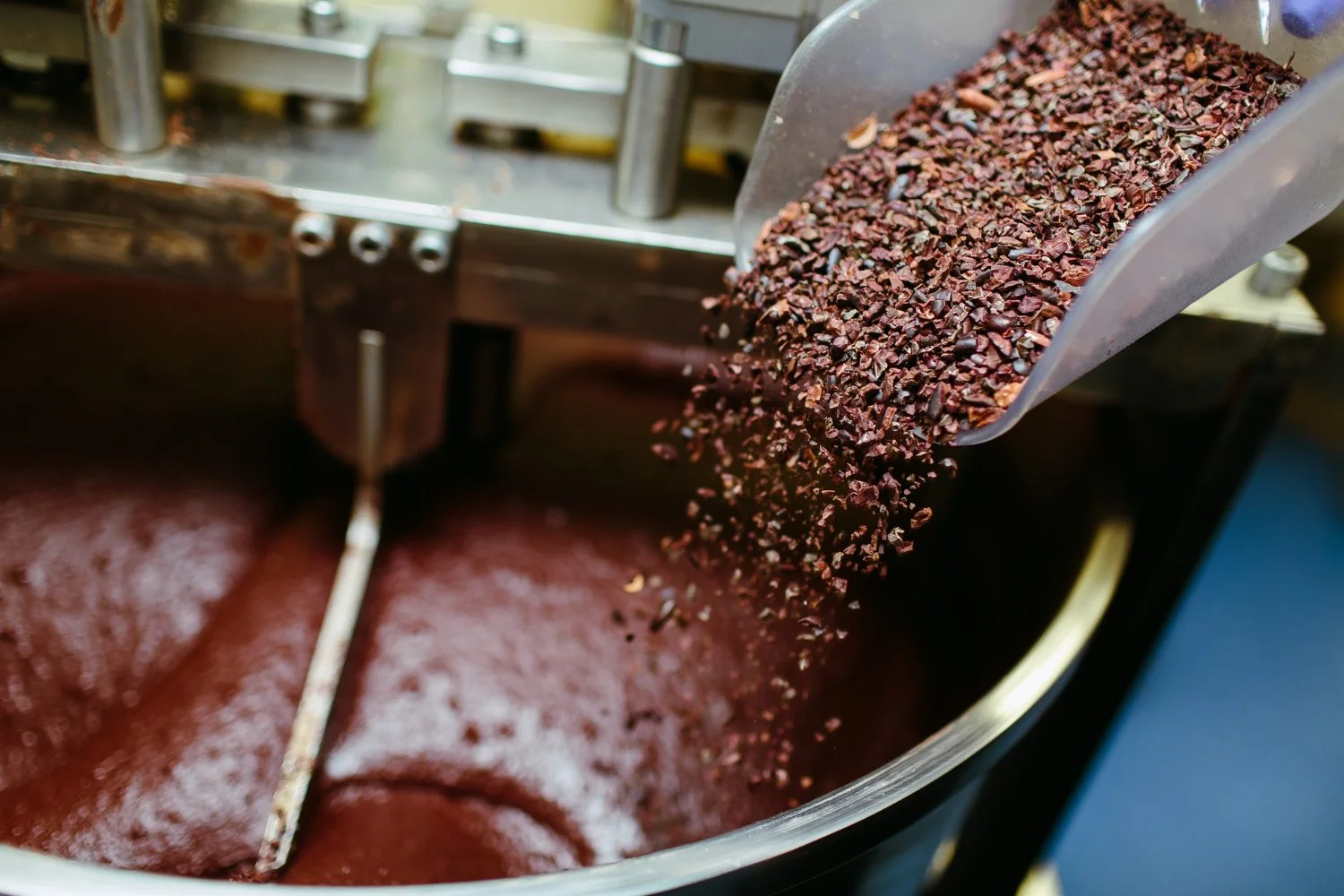
After roasting, the beans are cracked and winnowed to remove the shells and ground into a solid paste known as cocoa mass or cocoa liquor. When processed under extremely high pressure, this paste yields two products: cocoa powder and cocoa butter.
6. Chocolate manufacturing
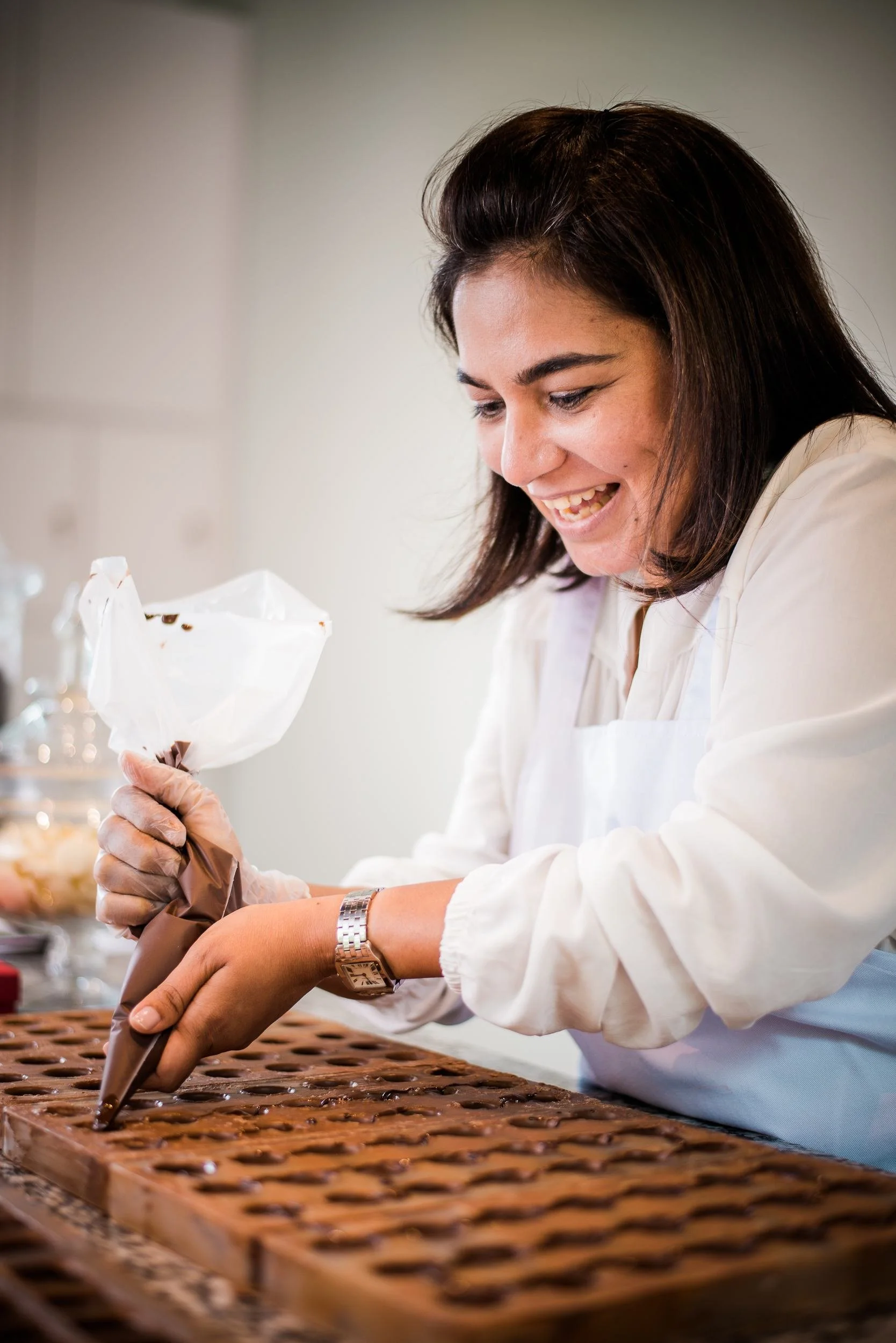
Cocoa liquor and cocoa butter are the major ingredients required to produce the various types of luxury chocolate, combined with other ingredients depending on the type of chocolate being made. For instance, dark chocolate is made from cocoa liquor, cocoa butter, and sugar, while milk chocolate is made with milk powder. In contrast, white chocolate is made with cocoa butter, sugar, and milk powder without cocoa liquor, which is why some do not consider it a true chocolate.
Overall, the manufacturing of luxury chocolate takes the following steps:
Batching: Combining cocoa liquor, sugar or sweeteners, milk powder, cocoa butter, and non-volatile flavourings into a mixture.
Conching: Continuous mixing and aeration to smooth out the texture and refine the flavour, driving off acidic volatile compounds. This process may take several hours to days, depending on the desired outcome.
Standardisation: Adjusting the viscosity of the chocolate by adding fats such as cocoa butter and emulsifiers.
Tempering: A process of heating and cooling results in a glossy finish and a satisfying snap when broken. Tempering also helps prevent chocolate bloom, a whitish-grey or streaky layer on the surface of chocolate caused by unstable fat or sugar rising to the top. Although harmless, it ruins the glossy appearance and should be avoided when producing luxury chocolate.
Molding: The chocolate is molded into various shapes as desired.
Experience True Luxury Chocolate at AnjaliChocolat
The chocolate production process is an intricate art that requires meticulous care in sourcing quality ingredients, crafting a consistent flavour profile, and delivering final products that can be indulged as a sweet, luxurious treat. At AnjaliChocolat, we are committed to using the finest Belgian cocoa to create chocolates that look and taste great. We believe that what sets chocolates apart as a luxury treat is not their price tag or packaging, but the premium ingredients and the passion poured into the entire chocolate-making process.
Looking for a premium artisan chocolate shop in Singapore? Indulge yourself or surprise a loved one with our exquisite selection of luxury chocolates.